Under-Desk Treadmills: An Honest Look at What They Actually Do (and Don't Do)
Quick Answer: Under-desk treadmills genuinely add meaningful low-intensity movement to an otherwise sedentary workday (often an extra 1-3 miles of walking distributed across work hours), but they typically require slowing down significantly (usually under 2 mph) to maintain typing accuracy and focus, meaning they work better for calls, reading, or lighter tasks than for detailed typing or high-concentration work.
The realistic benefit is ‘meaningfully more movement than sitting all day,’ not ‘a full workout while working at full productivity’ — understanding that distinction sets more accurate expectations before buying one.
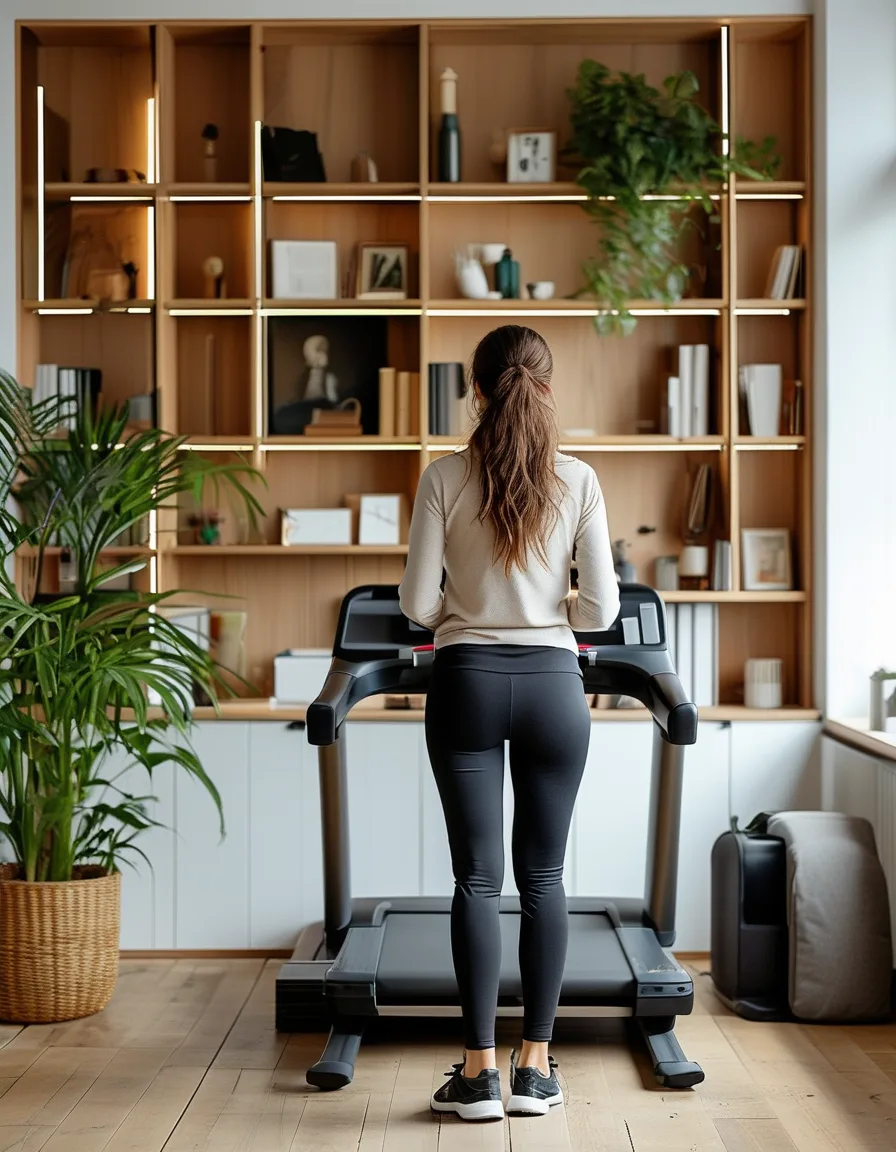
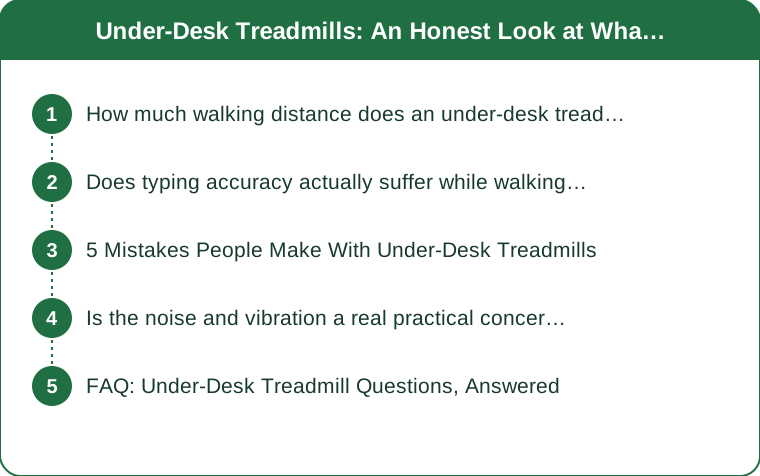
How much walking distance does an under-desk treadmill realistically add to a workday?
Used consistently through a workday at a slow pace (1-2 mph), many users log an additional 1-3 miles of walking distance they wouldn’t otherwise get, which meaningfully offsets the health impacts associated with prolonged sitting, even though the pace and intensity are quite low.
This accumulates specifically because it’s happening in the background across hours, not because any single walking session is particularly vigorous — the value is in total daily volume, not workout intensity.
Does typing accuracy actually suffer while walking on the treadmill?
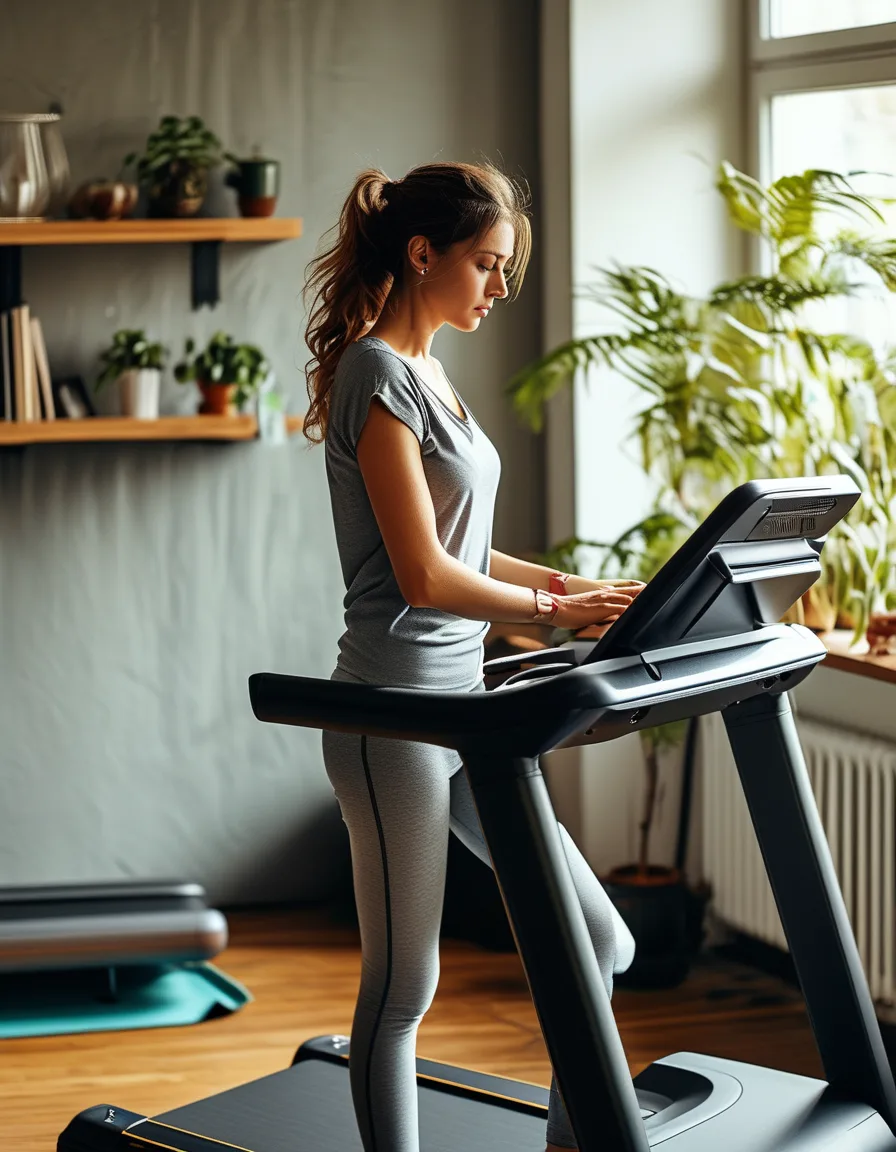
Yes, for most people, typing accuracy and speed decline noticeably above roughly 1.5-2 mph, which is why most users settle into a slow pace specifically during focused typing tasks and reserve slightly faster paces for calls, reading, or watching content where typing precision doesn’t matter.
This practical adjustment — varying pace based on the task at hand rather than a single fixed speed all day — is something most marketing materials don’t emphasize, but it’s what actually determines whether the treadmill integrates smoothly into a real workday.
5 Mistakes People Make With Under-Desk Treadmills
Mistake 1: Trying to walk at a normal walking pace (3+ mph) while doing detailed work, causing frustration and abandoning the treadmill.
Mistake 2: Not adjusting desk height to accommodate standing-while-walking posture, leading to hunching or reaching.
Mistake 3: Using it for the entire workday from day one instead of building up tolerance and habit gradually.
Mistake 4: Expecting it to replace a real workout, rather than viewing it as supplemental daily movement.
Mistake 5: Placing it somewhere without enough clearance, leading to safety concerns or discomfort from a cramped setup.
Is the noise and vibration a real practical concern, especially for people in apartments or shared offices?
Yes — noise and vibration transfer through floors is a genuine consideration, especially in apartments with downstairs neighbors or open-plan offices, and it’s worth checking a specific model’s noise rating and, where possible, testing it before committing to daily use in a noise-sensitive environment.
Some under-desk treadmill models are specifically designed and marketed as quieter for this reason, and a mat placed underneath can help reduce vibration transfer in shared living or working spaces.
FAQ: Under-Desk Treadmill Questions, Answered
What walking speed is realistic for someone doing focused computer work?
Most people settle around 1-1.5 mph for detailed typing tasks, increasing to 2-2.5 mph for calls or less precision-dependent work.
Do under-desk treadmills require a standing desk, or can they work with a regular desk?
A height-adjustable standing desk is strongly recommended, since using one at a seated-height desk creates an awkward, uncomfortable walking posture.
Is there a realistic risk of injury from using one regularly?
Risk is generally low at the slow speeds typical for desk use, though proper desk height, safety clips, and gradual habit-building reduce the (already low) risk further.
TL;DR:
- Under-desk treadmills can realistically add 1-3 miles of daily movement without requiring dedicated workout time
- Typing accuracy declines meaningfully above roughly 1.5-2 mph, so pace needs to match the task
- They supplement, rather than replace, a real workout — the value is in daily movement volume
- Noise, vibration, and desk height are practical setup factors worth planning for before daily use
The honest takeaway is that they add real, meaningful movement — just not a workout — and setting that expectation upfront prevents disappointment.
Keep Reading
This article is for general informational purposes only and is not medical advice. Always consult a qualified health professional for guidance specific to you.