Desk Relief: Fix Tech Neck, Tight Shoulders and Desk-Body in 5 Minutes a Day
Every workday, your desk quietly sculpts you: head drifting toward the screen, shoulders rounding to the keyboard, hips filing formal complaints. The result — tech neck, shoulder knots, that lower-back hum — is not an injury; it is an adaptation to stillness, which means it reverses the same way it arrived: in small, frequent doses. Five focused minutes a day, plus a smarter setup, beats an hour of weekend yoga apologizing for the week. Here is the protocol.

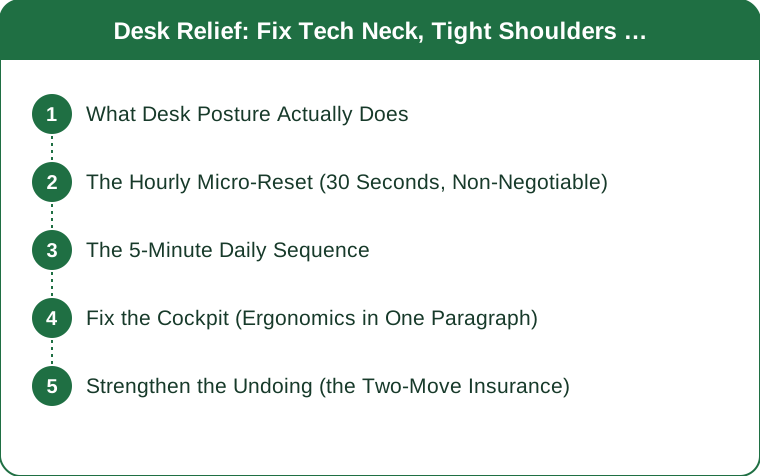
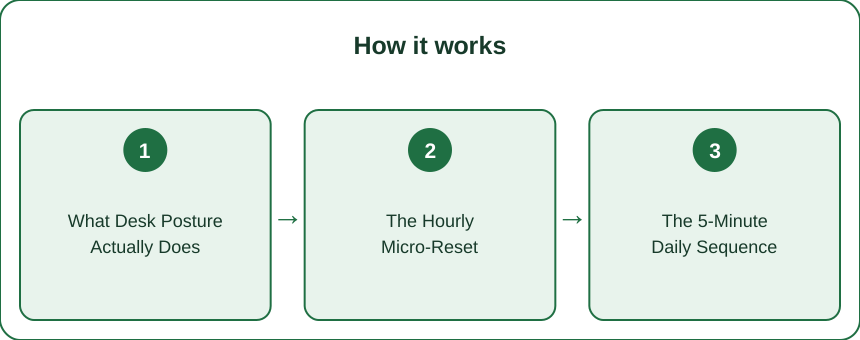
What Desk Posture Actually Does
The mechanics of desk-body: your head weighs 10–12 pounds upright, but for every inch it drifts forward, the load on your neck muscles multiplies — at full scroll-hunch, your neck is holding the equivalent of a small child, all day. Meanwhile rounded shoulders shorten your chest muscles while the upper-back pullers stretch and weaken, and seated hips keep the hip flexors in a shortened crouch for eight hours. None of this is permanent damage — muscles adapt to whatever you do most. The fix is simply giving them something else to adapt to, regularly.
The Hourly Micro-Reset (30 Seconds, Non-Negotiable)
The single highest-leverage habit: once an hour, a 30-second reset — stand, roll your shoulders up-back-down twice, clasp hands behind your back and open the chest, then do two slow chin tucks (glide your head straight back like making a dignified double chin; this is the tech-neck antidote, re-stacking your head over your spine). Set a recurring timer or anchor it to every meeting’s end. Frequency beats duration here by a mile: eight tiny resets outperform one heroic evening stretch, because the enemy was never tension. It was uninterrupted stillness.

The 5-Minute Daily Sequence
Once a day — lunch or logoff — run the full circuit: neck side-stretches, ear toward shoulder, 20 seconds each side; doorway chest stretch, forearm on the frame, 30 seconds per side (the direct undo of keyboard shoulders); thread-the-needle on a mat or standing wall version for the upper back; a 60-second standing hip-flexor lunge each side (the sitting antidote your lower back keeps requesting); and finish with cat-cow, five slow rounds. Every move targets exactly what the chair shortened or slackened. Five minutes. The body files the difference within two weeks.
Fix the Cockpit (Ergonomics in One Paragraph)
Make the desk fight you less: screen top at eye level (laptop users — this is impossible without a stand or book stack plus external keyboard; that $20 fix out-earns most office chairs), elbows at roughly 90 degrees with shoulders relaxed rather than shrugged, feet flat, and lower back supported — a small cushion works. Then break your own perfect setup on purpose: alternate sitting and standing if you can, take calls walking, and remember the ergonomists’ actual motto — the best posture is the next posture. No chair saves a body that never moves; a decent setup just lowers the hourly tax.
Strengthen the Undoing (the Two-Move Insurance)
Stretching relieves; strength prevents. Two moves, three times weekly, make desk-body structurally harder to acquire: band pull-aparts or rows (15 reps — rebuilding the upper-back pullers that keyboard posture switches off) and chin tucks with a 5-second hold (training the deep neck muscles that keep your head stacked without effort). Add a plank if ambitious. This is the difference between endlessly mopping the floor and fixing the leak: the stretches drain today’s tension, the strength work means tomorrow generates less of it. Twenty total minutes a week for a desk career that stops billing your body.
Desk relief, systematized: hourly 30-second resets, one 5-minute daily sequence, a screen raised to eye level, and two strength moves that make the whole problem shrink at the source. Start the hourly timer today — it is the smallest habit in this article and the one that changes the most. Your desk gets eight hours a day to sculpt you. All it takes to sculpt back, it turns out, is five focused minutes and the refusal to sit perfectly still while it works.
Keep Reading
This article is for general informational purposes only and is not medical advice. Always consult a qualified health professional for guidance specific to you.